Biohazard Cleanup
Safe, careful removal of bodily fluids and other infectious material, finished with hospital-grade disinfection.
Learn more →New York · Suffolk County
Cleaning up after a loss should not fall on the family in Lake Grove. Get biohazard cleaners for crime scene, death and trauma cleanup, plus sewage, hoarding and infectious disease work. Call (877) 812-4220 any hour.
If anyone is in danger, call 911 first. For a suicide crisis, call or text 988.
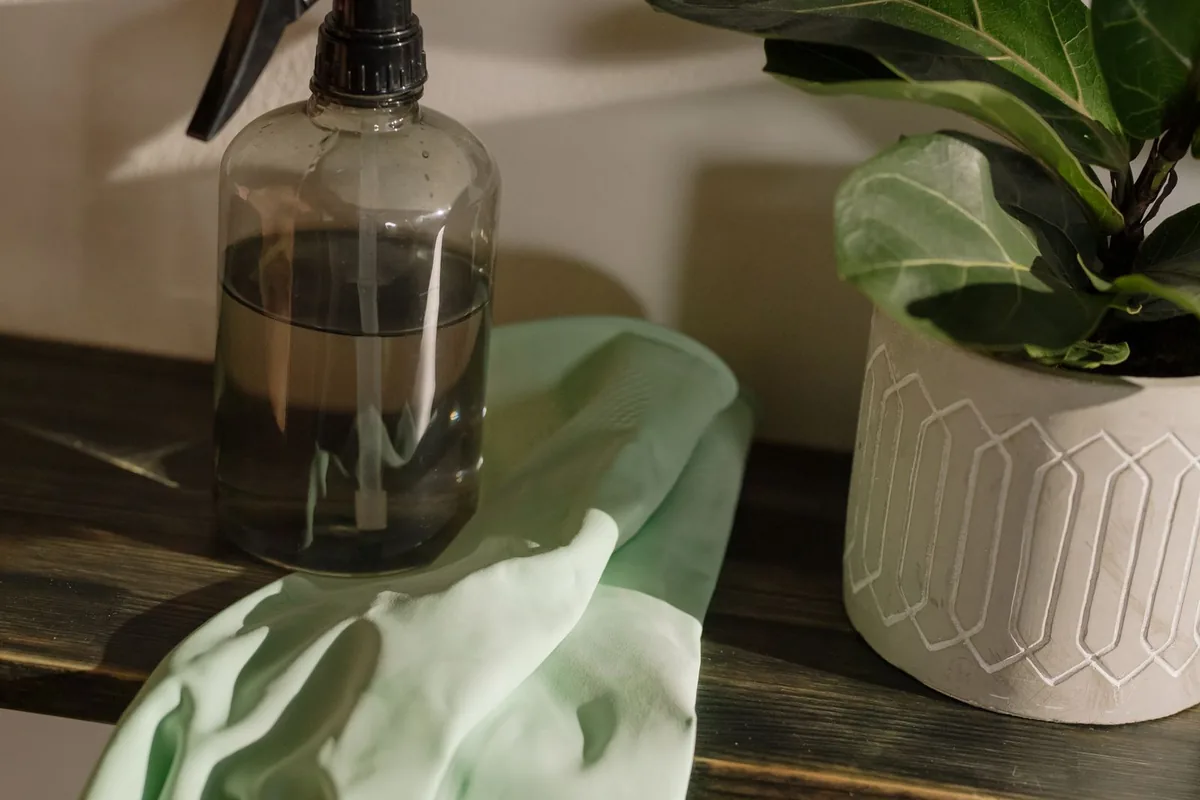
A biohazard cleaner deals with what regular cleaners will not touch: blood, decomposition, human waste and infectious materials. Lake Grove homeowners, tenants, landlords and business owners can get discreet biohazard cleanup services by calling Lake Grove Biohazard Cleanup Help.
Teams do the heavy lifting: removing carpet, padding and drywall that cannot be cleaned, bagging regulated waste, disinfecting hard surfaces and treating odor at the source. The service area runs from Lake Grove to Lake Ronkonkoma, Centereach and Riverhead.
The vacancy rate in Suffolk County is 12%, above the New York average. Empty houses can sit unchecked, so sewage, animal waste, rodents and damage can build up unseen. A welfare check by a relative or neighbor is often how an unattended death is first found. In Lake Grove, 21% is the census share of older adults living alone.
Professional biohazard cleanup, remediation and decontamination services follow the OSHA Bloodborne Pathogens Standard (29 CFR 1910.1030). Technicians wear personal protective equipment (PPE), including respirators, gloves and disposable suits, and treat all blood and bodily fluids as potentially infectious materials that can carry hepatitis B, hepatitis C and HIV.
Products matter because a mild cleaner will not kill bloodborne germs. Biohazard cleaners use EPA-registered, hospital-grade disinfectants, follow the label for contact time and pair them with air treatment for lingering odor.
From a single blood spill to a whole hoarder house, the services below cover the cleanup jobs that come up in Lake Grove, NY. All are available day or night.
Safe, careful removal of bodily fluids and other infectious material, finished with hospital-grade disinfection.
Learn more →Crime scene cleaners handle contaminated carpet, drywall and debris, then check the work before handing the space back.
Learn more →Discreet trauma cleaning that covers waste disposal, odor removal and records for insurers.
Learn more →Cleaning, disinfection and odor removal after a death that was not found right away.
Learn more →Professional suicide cleaning services that spare relatives and landlords from the hardest part.
Learn more →Respectful homicide cleaning that removes blood, bodily fluids and odor after investigators release the scene.
Learn more →Blood in cars, vans and rideshare vehicles cleaned from seats, mats and panels, then disinfected.
Learn more →Soaked carpet, mattresses and furniture removed, and affected surfaces sanitized after a fluid release.
Learn more →Human feces and urine cleanup in homes, rentals and workplaces, with disinfection and odor treatment.
Learn more →Odor control for landlords, buyers and families whose property still smells after a loss.
Learn more →Hoarding cleanup done at the resident's pace, with valuables and papers kept safe.
Learn more →Full-house hoarder cleanout with sorting, haul-away and deep cleaning from the first room to the last.
Learn more →Animal hoarding clean up that restores a home for repairs, a sale or a new tenant.
Learn more →Crews haul away trash and soiled items, then deep clean and sanitize the home.
Learn more →Raw sewage removal, tear-out of soaked materials and full disinfection after a backup or overflow.
Learn more →COVID-19 cleanup and coronavirus disinfection of high-touch surfaces, bedrooms, bathrooms and shared rooms.
Learn more →Surfaces cleaned, disinfected and checked so a contaminated room or vehicle is safe to use again.
Learn more →Local biohazard disposal services, from one sharps container to rooms of contaminated medical supplies.
Learn more →Needle and sharps cleanup: syringes found, collected with tools and disposed of in sealed containers.
Learn more →Safe removal of sharps and drug use items, with disinfection and odor treatment afterward.
Learn more →Meth lab cleanup: residue testing, removal of contaminated materials and decontamination of the property.
Learn more →Decontamination for rentals, motels, offices and vehicles after drug incidents and responder visits.
Learn more →Chemical spill cleanup with containment, decontamination and records for insurers, buyers and inspectors.
Learn more →Fuel, solvent and chemical spill cleanup for homes, farms, shops and fleet yards.
Learn more →Careful tear gas removal that protects people and pets and documents the work for insurers.
Learn more →Hantavirus-aware cleanup for cabins, sheds, barns and homes with HEPA-filtered equipment and disinfection.
Learn more →Histoplasmosis-aware cleanup with respirators, HEPA filtration and sealed disposal of guano.
Learn more →Dead animal removal from walls, attics, crawl spaces and vents, with disinfection and odor treatment.
Learn more →Hazmat car cleaning with protective gear, EPA-registered disinfectants and sealed disposal of contaminated parts.
Learn more →Accident scene cleanup for homes, stores, offices and vehicles, handled quietly with protective gear.
Learn more →Discreet after-hours service with unmarked vehicles, sealed work areas and regulated waste hauling.
Learn more →Estate cleanout after a death, handled step by step at the family's pace.
Learn more →The first step is deciding what is unsafe and how far the contamination goes. Hazards such as sharps, broken glass or sewage are noted before anyone starts.
The crew takes photos and notes of the affected areas and the work done. Homeowners insurance companies, landlords and compensation programs often ask for these records.
Hazardous materials are removed, and every surface is cleaned and disinfected with EPA-registered products. Items that must go are packed as regulated waste.
Air scrubbers and odor equipment clear the room, the crew inspects the result, and the property is handed back ready for repairs, insurance or use.
OSHA bloodborne pathogen protocols, full PPE, EPA-registered disinfectants and lawful biohazard waste disposal on every job.
Contaminated items are sealed, labeled and kept out of household trash, and the waste leaves under medical waste rules.
Cleanup technicians know families may be grieving. They keep conversations short, kind and free of judgment, and they treat belongings with care.
A final inspection, with odor and surface checks where they help, confirms the area is safe before the cleanup is called complete.
Biohazard cleanup in Lake Grove, NY typically costs $500 to $25,000, depending on the type of biohazard, the size of the affected area and how far fluids soaked into porous materials.
Most residential jobs cost $3,000 to $5,000 (Fixr). Ask what is included before agreeing to anything: removal, disinfection, odor control, waste disposal and paperwork. A clear scope helps the family, the landlord and the insurance company agree on the cost.
| Type of job | Typical range |
|---|---|
| Blood spill cleanup, small area | $500 - $2,500 |
| Crime scene cleanup, most homes | $1,500 - $7,500 |
| Unattended death cleanup | $2,000 - $7,000 |
| Suicide cleanup | $1,500 - $5,500 |
| Sewage cleanup, most homes | $2,000 - $10,000 |
| Hoarding cleanup, level 3 home | $2,000 - $5,000 |
| Meth lab cleanup, typical | $15,000 - $20,000 |
Estimates only, not a quote. Sources: Fixr, Yelp Costs, BioCleaners Directory, PushLeads, Dropcurb, Bob Vila and cleanup company cost guides. Call (877) 812-4220 to talk through the job.
About 72% of homes in Lake Grove were built before 1980, and older carpet, subfloor and trim hold fluids deeper, which can mean more material to remove.
With renters in about 18% of homes in Suffolk County, landlords and property managers often call about tenant deaths, abandoned units and unsafe conditions that need biohazard cleaning.
When a death goes unnoticed for days, decomposition fluids reach flooring and subfloor and the odor spreads. Death cleanup removes the affected materials and treats the odor at the source.
With a vacancy rate of 12% in Suffolk County, empty buildings can collect animal waste, drug paraphernalia and storm damage that nobody sees until later.
Cars, trucks and work vehicles can carry biohazards after an accident, assault or medical event. Vehicle cleanup removes contaminated upholstery and disinfects every surface and vent.
Families should never have to clean up after a suicide. Discreet suicide cleanup removes all traces with care and respect. Crisis support is available any time at 988.
A biohazard is anything of biological origin that can make people sick. The type of material and the size of the affected area guide how the crew plans the work and how long the cleanup takes.
Only what cannot be made safe. Porous items such as carpet, padding, mattresses and upholstered furniture that soaked up fluids are usually removed. Hard surfaces and many belongings can be cleaned and disinfected instead.
It is not safe. Household cleaners do not reach blood and fluids that soak into carpet, padding, drywall and subfloor, and there are rules for disposing of biohazardous waste. A professional biohazard cleaner uses PPE, EPA-registered disinfectants and regulated medical waste disposal.
Ask whether the crew follows OSHA bloodborne pathogen rules, uses EPA-registered disinfectants, disposes of waste lawfully and can document the work for insurance. Compare how biohazard cleanup companies explain scope, cost range and privacy, and be cautious about anyone who pressures you to sign on the spot.
Symptoms such as stomach pain, vomiting and diarrhea can begin within a few hours to a few days after contact with raw sewage, depending on the germ. Sewage is a Category 3 biohazard, so it should be cleaned by a crew wearing protective gear, and anyone with symptoms should see a doctor.
It means discreet removal of blood, bodily fluids and affected materials, followed by full disinfection and odor treatment, so the family never has to face the scene. If you or someone you know is thinking about suicide, call or text 988 to reach the 988 Suicide and Crisis Lifeline.
Yes. You can expect unmarked vehicles, quiet work and no discussion of the job with neighbors. Family members are not asked to see or handle anything.
Yes. Vacant properties, at 12% of housing in Suffolk County, can collect animal waste, drug paraphernalia, sewage and storm damage. Owners should treat what they find as a hazard and call for cleanup instead of clearing it themselves.
The nearest emergency room is Suny/stony Brook University Hospital in Stony Brook, about 4 miles from Lake Grove. In any emergency, call 911 first. Cleanup waits until people are safe.
The service area reaches from Lake Grove to Riverhead, Lake Ronkonkoma and Centereach. Whichever town the property is in, the process and the protective standards stay the same.
Describe what happened, and the cleanup team will explain the next steps.
Call (877) 812-4220